
Preparing Substrates for New Flooring Systems
Floor Tile & Adhesive Removal in Niagara Falls for pre-1978 buildings replacing vinyl or asphalt flooring
Vinyl floor tiles and the black mastic adhesives used to install them commonly contain asbestos in homes and commercial buildings constructed before the late 1970s. Testing confirms whether your existing flooring requires licensed removal before new flooring installation can proceed. EZ Environmental LLC removes asbestos-containing floor tiles and adhesives using techniques that minimize dust generation and prevent fiber release during demolition, leaving clean concrete or plywood substrates ready for modern flooring products.
Removal methods depend on tile condition and substrate type, with workers using hand tools to pry up intact tiles or wet grinding to remove stubborn adhesive layers. Containment barriers isolate the work area from adjacent rooms, and HEPA vacuums capture dust generated during scraping or grinding operations. All removed flooring material and adhesive residue is bagged as asbestos waste rather than disposed of through standard construction debris channels.
Schedule a property evaluation to determine whether testing is required before beginning your flooring renovation project.
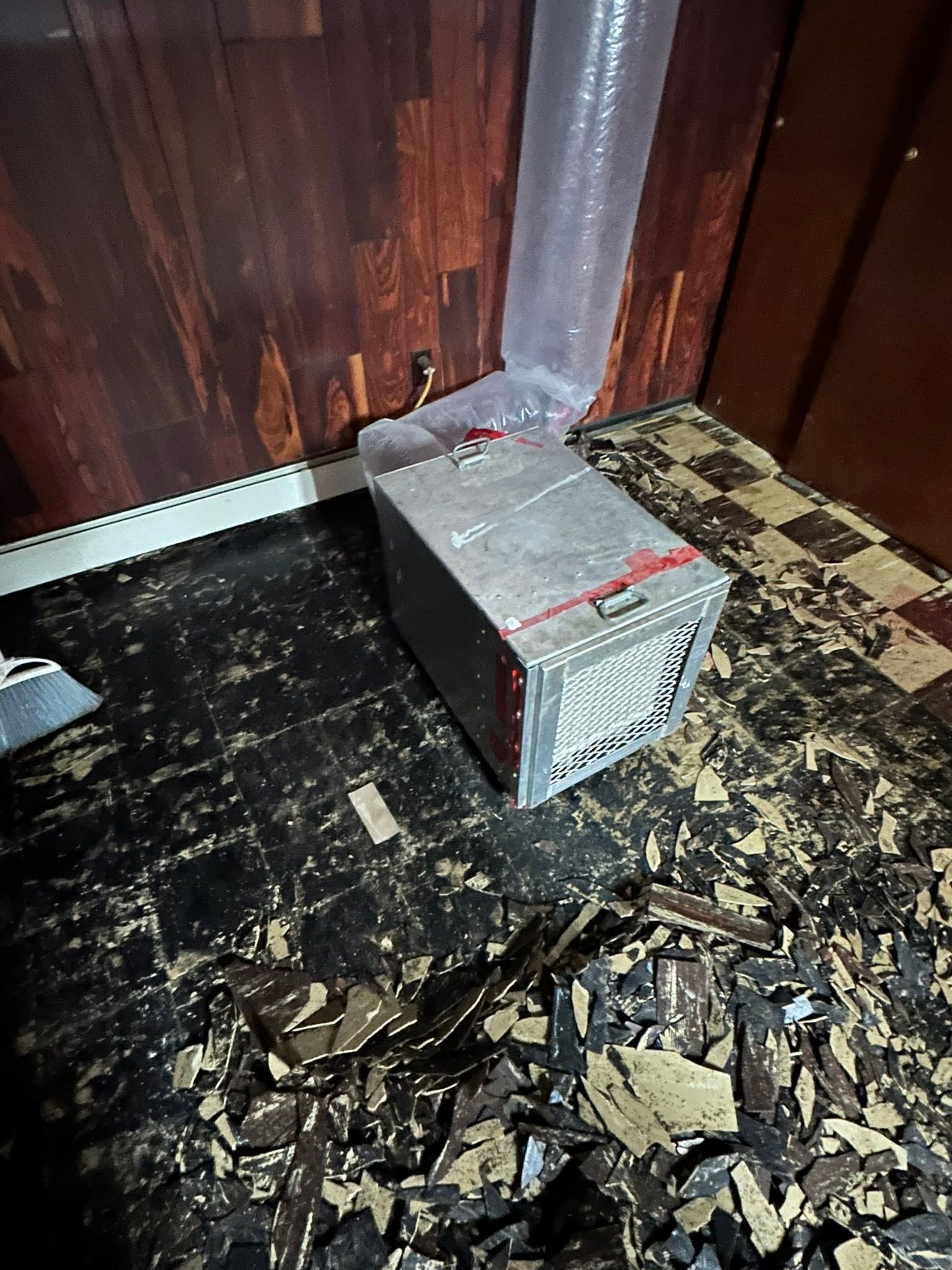
How Removal Addresses Substrate Contamination
Floor tile removal extracts both the visible tile layer and the adhesive that bonds it to the underlying surface, since asbestos often appears in the black cutback mastic rather than the tile itself. Grinding or scraping reduces adhesive thickness to a level that allows new flooring to bond properly without telegraphing texture through the finished surface. Wet methods control the fine dust that dry scraping would generate, and containment prevents contaminated debris from spreading beyond the work zone.
Once removal is complete, you see smooth concrete slabs or plywood underlayment free of tile fragments and adhesive buildup that would interfere with new flooring installation. Flooring contractors can proceed immediately with luxury vinyl plank, ceramic tile, or other finish materials without additional substrate preparation. Air clearance testing verifies that fiber levels meet regulatory standards before the space is returned to normal use.
Complete removal also eliminates the long-term maintenance issues that arise when new flooring is installed over old asbestos layers. Encapsulation by covering old tiles with new flooring is sometimes permitted, but it leaves hazardous material in place that must be disclosed during property sales and addressed during future renovations. Extraction provides permanent resolution and increases property value by removing a documented environmental concern.
Flooring Removal Questions
Property owners planning flooring updates in older Niagara Falls buildings often need clarity about when floor tile removal requires specialized handling and what the process involves.
What flooring materials typically contain asbestos?
Nine-inch square vinyl tiles, sheet vinyl with paper backing, asphalt tiles, and black cutback mastic adhesives frequently test positive in buildings from the 1950s through 1980s, though testing is the only reliable way to confirm asbestos content.
How do you remove adhesive that's bonded to concrete for decades?
Adhesive removal typically involves wet grinding with diamond abrasive pads that reduce the mastic layer without generating excessive dust, though some projects use chemical strippers or thermal methods depending on adhesive type and substrate condition.
Can I install new flooring over existing asbestos tiles?
Overlay installation is sometimes allowed when tiles remain intact and firmly bonded, but removal is generally preferred for commercial properties, homes being sold, or projects where floor height increases would create transition problems at doorways.
Why can't I just break up the tiles and dispose of them myself?
Homeowner removal of asbestos flooring is prohibited in many jurisdictions and creates significant health risks, since breaking tiles releases far more fibers than careful extraction methods and improper disposal contaminates landfills.
What happens to the flooring after removal?
All asbestos-containing tiles and adhesive are transported in sealed bags to approved disposal facilities that accept asbestos waste, with manifest documentation tracking the material from your property to final disposal.
EZ Environmental LLC handles floor tile and adhesive removal in residential and commercial buildings throughout Western New York. Contact us to receive a free estimate for testing and removal before your flooring project begins.