Clearing Contaminated Insulation Before Replacement
Attic Insulation Removal in Niagara Falls for properties with vermiculite or degraded insulation requiring extraction
Vermiculite insulation installed in attics between the 1920s and 1990s often contains asbestos fibers, particularly products sourced from the Libby, Montana mine that supplied most North American vermiculite during that period. EZ Environmental LLC removes asbestos-containing attic insulation using vacuum extraction and containment methods that prevent fiber migration into living spaces below. Licensed evaluation determines whether your attic insulation requires professional removal before you upgrade to modern insulation products.
Removal begins with sealing attic access points and establishing negative air pressure to pull air out of the attic rather than allowing it to flow downward into occupied rooms. Workers wearing respirators vacuum loose insulation into sealed disposal bags or manually remove batt insulation that tests positive for asbestos. The attic floor and framing are HEPA-vacuumed after bulk removal to capture residual particles before new insulation installation.
Request a free estimate for attic inspection and insulation removal before scheduling energy efficiency upgrades or roof replacements.
What Proper Removal Requires
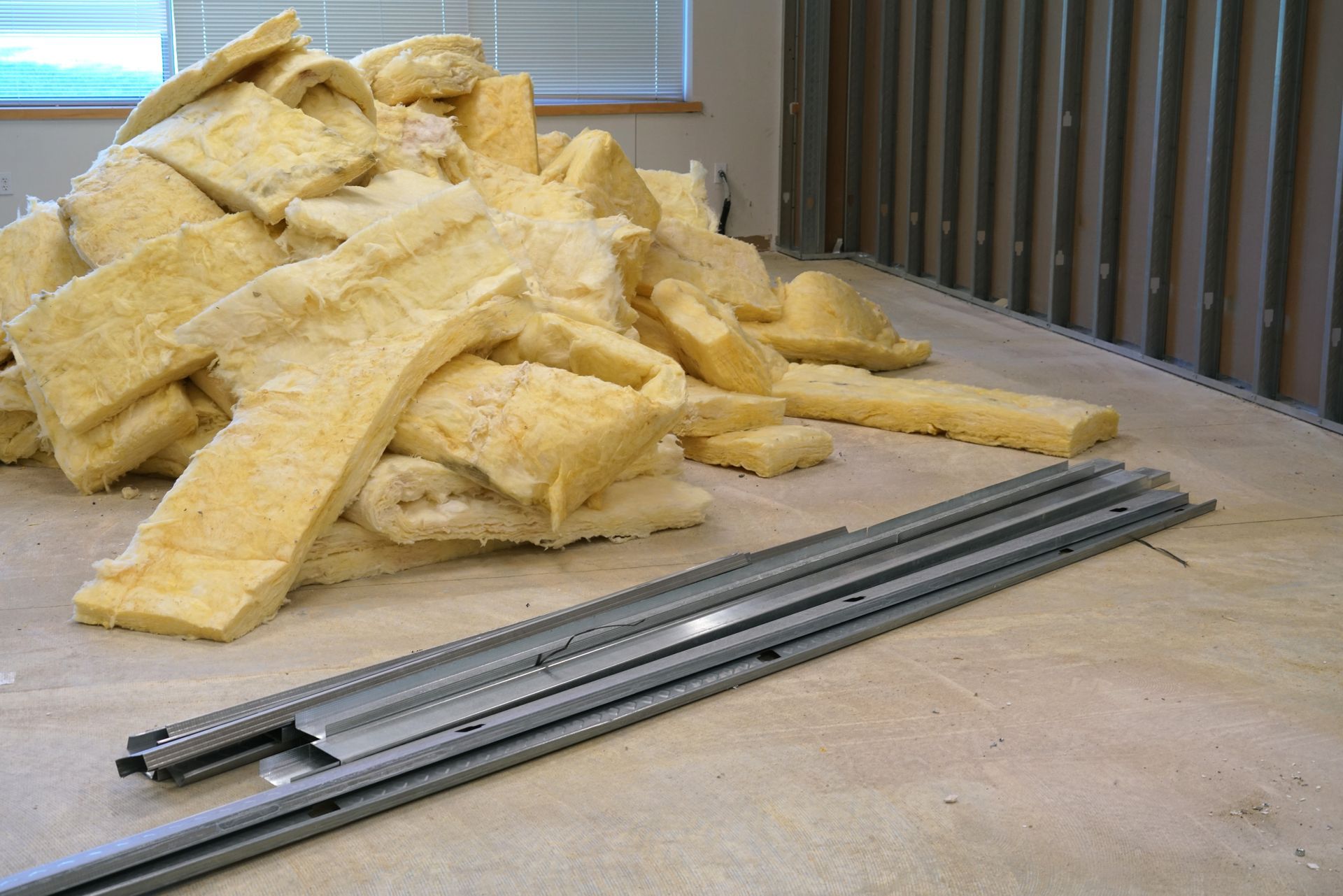
Safe attic insulation removal depends on controlling the work environment to prevent contamination of lower floors during extraction. Sealed containment around attic hatches and vents stops airborne fibers from entering HVAC systems or settling on furniture and flooring. Negative air machines continuously pull attic air through HEPA filters, creating pressure that draws air upward from living spaces rather than allowing contaminated air to descend.
After removal finishes, you have bare attic joists and decking ready for blown-in cellulose, fiberglass batts, or spray foam insulation without any remaining hazardous material. All extracted insulation is transported to approved disposal facilities that accept asbestos waste, and final air testing confirms that the attic meets clearance standards before insulation contractors begin new installation.
Complete removal also addresses cross-contamination issues that develop when old insulation settles into wall cavities or around recessed lighting fixtures over decades. Partial removal leaves residual fibers that continue to pose exposure risks during future attic work, while full extraction creates a clean starting point for energy improvements. Western New York's freeze-thaw cycles cause older insulation to degrade faster than products installed in milder climates, which increases the urgency of replacement in this region.
Common Attic Insulation Questions
Homeowners planning attic upgrades in Niagara Falls need practical information about when insulation removal is necessary and what distinguishes professional handling from standard insulation work.
How do I identify vermiculite insulation?
Vermiculite appears as small, lightweight pebbles with a gray, silver, or gold color and accordion-like layers that expand when heated, typically poured between attic joists as loose-fill insulation rather than formed into batts or rolls.
What if I've already disturbed the insulation during storage trips to the attic?
Brief disturbance of asbestos-containing insulation without prolonged exposure typically poses minimal risk, though you should avoid further contact and schedule testing before any additional attic work to prevent repeated exposure.
Can new insulation be installed over old vermiculite?
Covering vermiculite with new insulation is sometimes permitted under encapsulation guidelines, but removal is generally preferred when attic access is needed for maintenance or when selling the property, since disclosure requirements and buyer concerns often arise.
Why does attic insulation removal cost more than standard insulation replacement?
Licensed asbestos removal requires containment setup, specialized vacuums with HEPA filtration, protective equipment, regulated disposal fees, and air clearance testing that standard insulation jobs do not involve.
How does winter weather in Niagara Falls affect removal scheduling?
Cold temperatures make attic work more challenging but don't prevent removal, though scheduling during moderate weather improves working conditions and allows for proper ventilation during the containment period.
EZ Environmental LLC provides licensed attic insulation removal with containment methods that protect your living spaces throughout the project. Call (716) 912-2772 to discuss your attic situation and receive a detailed project estimate.