
Materials That Stay in Place Safely
Asbestos Encapsulation in Niagara Falls for stable materials in areas where removal creates unnecessary disruption or cost
Certain asbestos-containing materials that remain in good condition and are not subject to disturbance can be sealed with specialized coatings that bind fibers and prevent them from becoming airborne. Encapsulation involves applying thick, penetrating sealants that create a durable barrier over materials like ceiling tiles, wall panels, or pipe insulation that would be costly or disruptive to remove completely. Every property is evaluated by EZ Environmental LLC to determine whether removal or encapsulation provides the safest and most practical solution based on material condition, location, and future use plans for the building in Niagara Falls.
The encapsulation process begins with surface cleaning to remove loose debris and contaminants, followed by application of bridging encapsulants that penetrate the material and form a tough, flexible membrane. Two or more coats are typically applied to achieve the thickness required for long-term fiber containment. Materials must be intact and undamaged for encapsulation to be effective, since the coating cannot repair deteriorated surfaces or stabilize materials that are already releasing fibers.
Schedule an inspection to evaluate material condition and receive recommendations on whether removal or encapsulation is appropriate for your property.
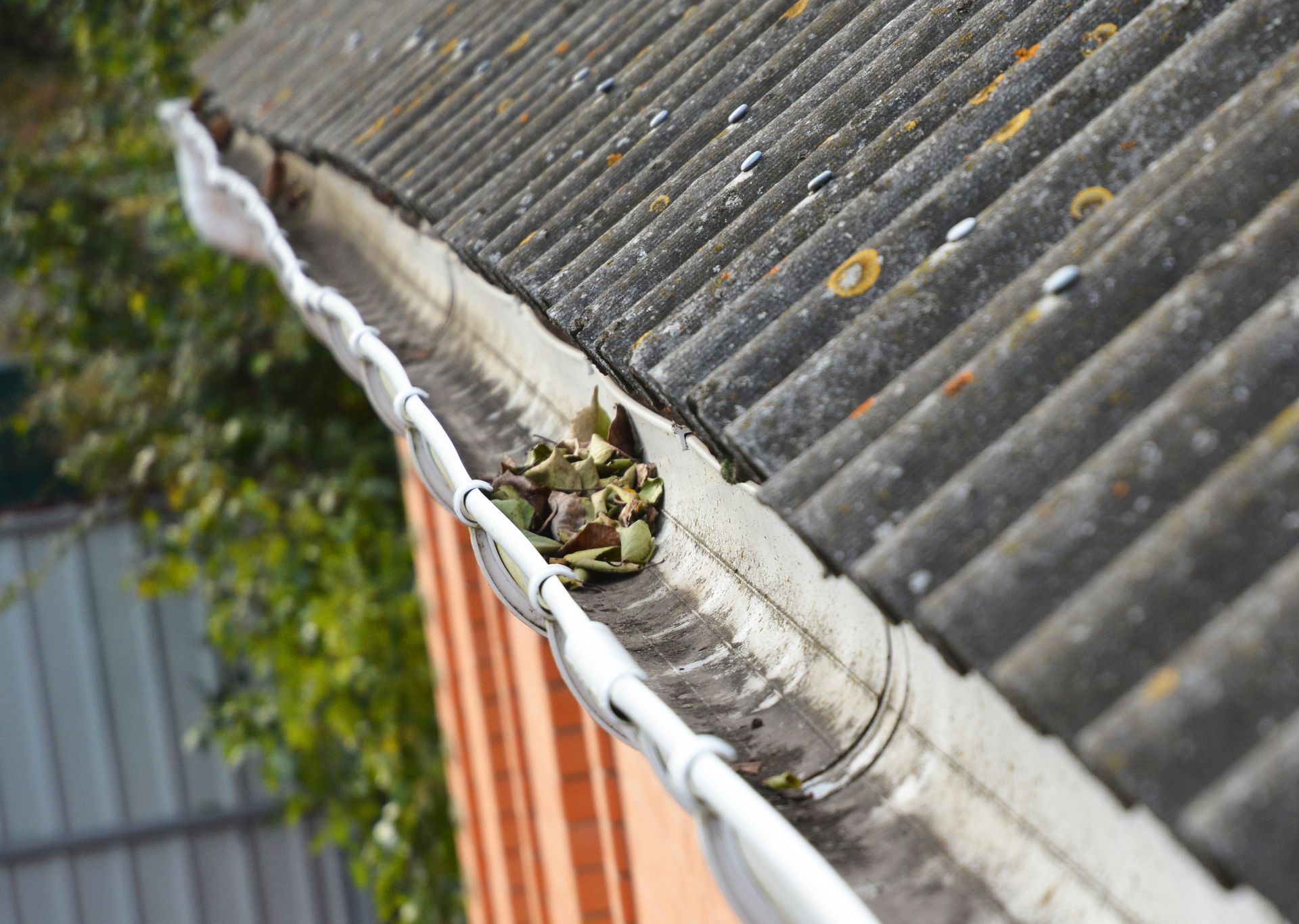
When Sealing Materials Is the Right Approach
Licensed inspections assess material type, condition, accessibility, and the likelihood of future disturbance before recommending encapsulation over removal. Materials in mechanical rooms, above ceilings, or in other areas with minimal access are often good candidates for sealing, while materials in high-traffic areas or locations planned for renovation typically require removal. Encapsulant products are selected based on substrate type, with some formulations designed for porous materials and others for smooth, non-porous surfaces.
Once encapsulation is complete, you notice materials that look freshly painted or coated, with a uniform surface that shows no signs of deterioration or fiber release. The sealed materials require periodic inspection to verify coating integrity, and any future damage or disturbance would require professional assessment to determine whether recoating or removal becomes necessary. Encapsulation does not eliminate asbestos, so property records must document the presence and location of sealed materials for future owners and contractors.
Cost-effective encapsulation maintains safety and regulatory compliance while avoiding the expense and disruption of full removal in situations where materials pose minimal risk. Buildings with extensive asbestos materials in areas that will not be renovated often benefit from encapsulation that extends the service life of existing systems without major abatement projects.
Answers to Encapsulation Questions
Property owners often ask about alternatives to removal when asbestos materials are discovered but remain in stable condition without active deterioration.
What materials can be encapsulated instead of removed?
Pipe insulation, ceiling tiles, wall panels, and some spray-applied materials are candidates if they remain firmly attached, show no signs of damage, and are not located in areas planned for renovation or frequent access.
How long does encapsulation last?
High-quality encapsulants applied correctly can remain effective for 10 to 20 years or longer, though periodic inspections are required to verify coating integrity and identify any damage that requires repair or recoating.
Is encapsulation less expensive than removal?
Encapsulation typically costs 30 to 50 percent less than full removal for equivalent material quantities, since it eliminates disposal costs, reduces labor requirements, and avoids the extensive containment needed for material removal in Niagara Falls buildings.
Can encapsulated materials be removed later if needed?
Encapsulation does not prevent future removal, though the coating must be handled as asbestos-containing material during removal, which adds to the total waste volume and disposal cost.
What maintenance is required after encapsulation?
Visual inspections should be performed annually or after any building work near encapsulated materials to check for coating damage, and any areas showing wear or deterioration should be recoated promptly to maintain containment effectiveness.
EZ Environmental LLC provides licensed inspections that evaluate material condition and recommend the most appropriate remediation approach based on safety, cost, and long-term property plans. Call (716) 912-2772 to arrange a free property evaluation and receive detailed recommendations for removal or encapsulation specific to the materials present in your building.